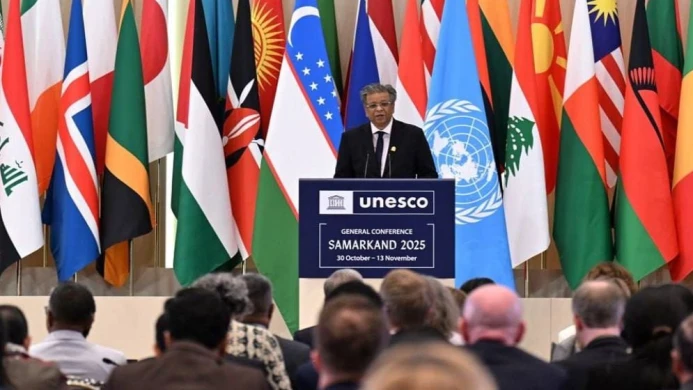
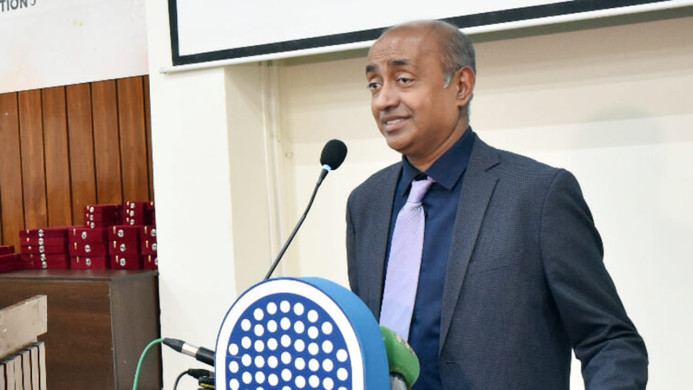
Although Bangladesh’s land area is half that of Italy, the government has ensured food supply for 170 million people. At the same time, the country has demonstrated humanitarian leadership by providing shelter and food assistance to 1.3 million persecuted Rohingya refugees from Myanmar, said Chief Adviser Professor Dr. Muhammad Yunus.
He made these remarks on Sunday (October 13) while speaking at the opening ceremony of the World Food Forum in Rome, Italy.
“The people’s movement in Bangladesh, led by the youth, has restored the power of the citizens,” said Dr. Yunus. “Now, those same young people are leading the reform of national institutions. The upcoming national election in February will reflect the nation’s commitment to justice and people’s power.”
Dr. Yunus highlighted Bangladesh’s remarkable success in agriculture, noting that the country is now among the top producers of rice, vegetables, and freshwater fish. Farmers have raised the crop cultivation rate to 214 percent. The country has developed 133 climate-resilient rice varieties and provides up to 70 percent subsidies in the agricultural sector.
He emphasized, “Hunger is not a natural problem—it is a man-made economic and moral failure. In 2024, 673 million people were hungry, despite sufficient global food production. A few billion dollars could have ended hunger, yet the world spent $2.7 trillion on weapons. That is the reality of our so-called civilization.”
The Chief Adviser added, “If technology and business can be used humanely, we can build a new kind of world.”
Citing examples, he said, “Grameen Bank has proven that poor women can become entrepreneurs. Grameen Danone works to combat child malnutrition. Today, social businesses around the world are transforming societies.”
In conclusion, Dr. Yunus called for the creation of a social business fund for youth, women, farmers, and innovators—so they can easily launch initiatives and lead the path of sustainable development.